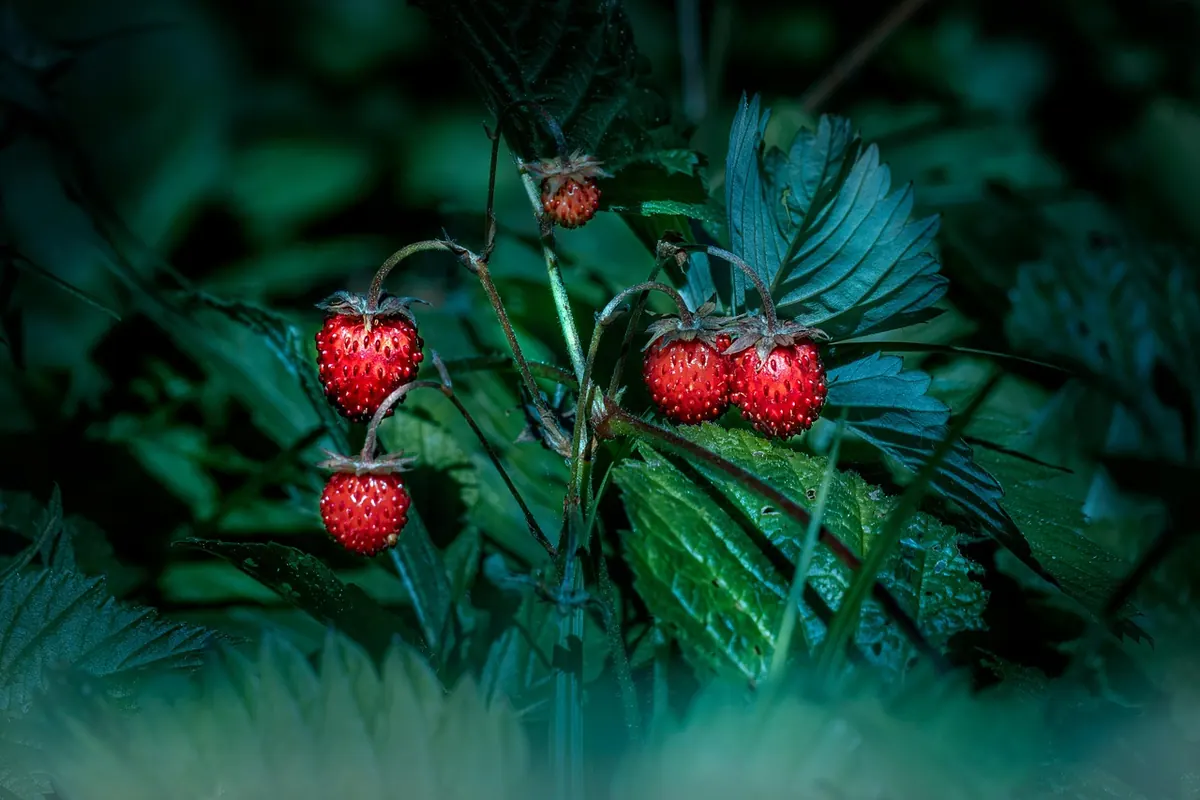
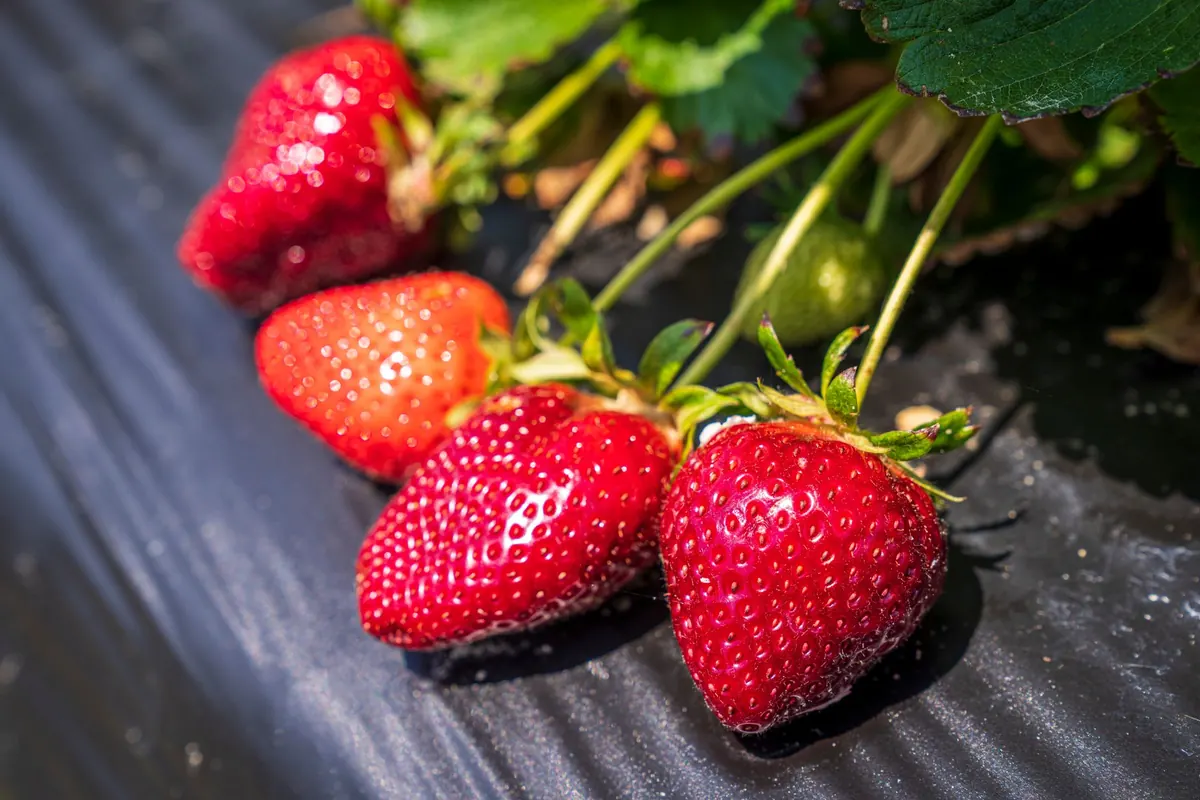
Strawberries earn their space. A ten-foot row can hand you bowls of fruit for three weeks, then send out runners that fill the gaps for next year. But they are shallow, low, and soft. Their roots live in the top six inches of soil, their berries ripen within reach of slugs and rain-splashed dirt, and gray mold can take a patch in one wet week. Companion planting helps most at exactly those weak points: soil cover, pest confusion, and a steady supply of insects that eat the ones you don't want.
What Companion Planting Can and Cannot Do
Be realistic about the limits. No marigold will rescue a bed sitting in soggy clay, and no herb border stops a heavy aphid year. What companions do well is tilt the odds. Strong-smelling herbs mask the scent of strawberry foliage from pests hunting for a meal. Flowers such as borage and sweet alyssum feed hoverflies and the tiny parasitic wasps that prey on aphids. Low, leafy plants shade the soil so berries stay cleaner and the root zone stays cooler.
Most of the pairings below come from generations of growers' experience rather than controlled trials, so treat the chart as a starting point. Watch your own bed for a season. If a pairing doesn't perform in your soil, pull it and try something else.
Good Neighbors: The Keep-Close List
Set these in or right alongside the row. The best companions for strawberries are low, shallow-rooted, and slow to spread.
- Borage — Bees work it hard, and it self-seeds politely enough to pull if it wanders. Two or three plants near the row ends are plenty.
- Chives and garlic chives — A clump every few feet. The scent is widely reported to confuse aphids and spider mites, and the purple flowers bring in pollinators early. Divide clumps every second spring.
- Thyme and oregano — Creeping thymes make a dense, drought-tolerant edge that suppresses weeds and shelters ground beetles, which eat slug eggs. Give them the sunny side of the bed.
- Sage — One plant per bed is enough. Strong scent, evergreen structure, and it tolerates the same slightly acidic soil strawberries prefer.
- Lettuce and spinach — Shallow roots, quick harvest, and they welcome the light shade cast by strawberry leaves in midsummer. Sow them in the gaps in early spring.
- Bush beans and peas — Legumes fix nitrogen and grow upright without shading the crowns. Choose bush types; pole beans cast too much shade.
- French marigolds — Compact and cheap, and often planted to suppress root nematodes in the soil around them. Tuck them into paths and corners.
- Nasturtium — A useful trap crop. Let aphids colonize the nasturtium instead of your berries, then pull the plant when it collapses.
- Sweet alyssum — Low, scented, and a magnet for hoverflies. Scatter seed along the bed edges.
Bad Neighbors: What to Keep Out
These either share disease with strawberries, compete for the same shallow water and nutrients, or simply smother the bed.
- Tomatoes, potatoes, peppers, eggplant — All can carry Verticillium wilt, a soil disease that also strikes strawberries. They are heavy feeders, and by midsummer they shade the row. Keep the nightshade bed at the far end of the garden.
- Cabbage, broccoli, kale, cauliflower — Brassicas are commonly reported to slow strawberry growth, and they draw on the same shallow root zone. Give them their own space.
- Fennel and wormwood — Both release compounds that suppress neighboring plants. Keep them well away from fruit rows.
- Mint and lemon balm — Wonderful herbs, terrible bedmates. Their runners thread through a strawberry patch and are nearly impossible to remove without tearing up the crowns. Grow them in buried pots.
- Raspberries and blackberries — Cane fruits share viruses and root-rot problems with strawberries, and their suckers travel. Twenty feet of separation is a sensible minimum.
- Squash, melons, cucumbers — Not allelopathic, just greedy and sprawling. They will bury a strawberry row by July.
- Black walnut and mature tree roots — Juglone from walnut roots, plus the shade and root competition of any large tree, keeps berries small and sparse. Full sun means full sun.
The Middle Ground: Plants That Depend on Your Setup
A few plants show up on both good and bad lists because the answer depends on how close they sit and how you garden.
Onions and garlic
Chives at the bed edge are usually fine. Bulb onions and garlic planted directly into the crown zone are often reported to stunt strawberries over time. If you want garlic's pest-repelling scent, run a border row a foot or more from the fruit plants rather than tucking cloves between them.
White clover as a living mulch
Clover between rows fixes nitrogen, feeds bees, and keeps mud off ripening berries. It works well where water is plentiful and you mow it regularly. In a dry bed with no irrigation, clover competes with strawberries for moisture and the berries lose.
Everything else
Radishes, carrots, and other quick, shallow-rooted crops can be squeezed in during the first spring, before the strawberry canopy closes. Once the plants knit together, stop interplanting and let the bed fill.
If a companion doesn't earn its space by harvest, treat it like a weed and pull it.
How to Lay Out the Bed
- Choose the sunniest spot you have — six hours minimum, with morning sun preferred so dew dries off the leaves and gray mold has less to work with.
- Plant into well-drained soil with plenty of compost, aiming for a slightly acidic pH around 5.5 to 6.5. Raised beds solve heavy clay fast.
- Set strawberries 12 to 18 inches apart, with about 3 feet between rows if you want to kneel and pick comfortably.
- Put companions in the gaps and along the edges, never on top of the crowns. Chives and thyme at the borders, lettuce and spinach between plants.
- Mulch with clean straw once the soil has warmed, keeping it a couple of inches back from the crown so it doesn't hold moisture against the plant.
- Water at the base in the morning. Evening overhead watering is an invitation to mold and slugs.
- After harvest, cut back the old leaves and thin crowded runners so air moves through the bed again.
A Simple Plan for This Season
Start small. Pick three companions from the keep-close list — chives, borage, and lettuce are a good first trio — and plant them with one new strawberry row. Keep tomatoes, brassicas, and cane fruits well away, and give mint a pot instead of a place in the bed. Note what you planted and how the season went; a few scribbled lines in a notebook beat trying to remember next spring.
Then let the bed do its work. Replace strawberry plants every three or four years, since older patches decline and build
Photo: Erik_Karits / Pixabay