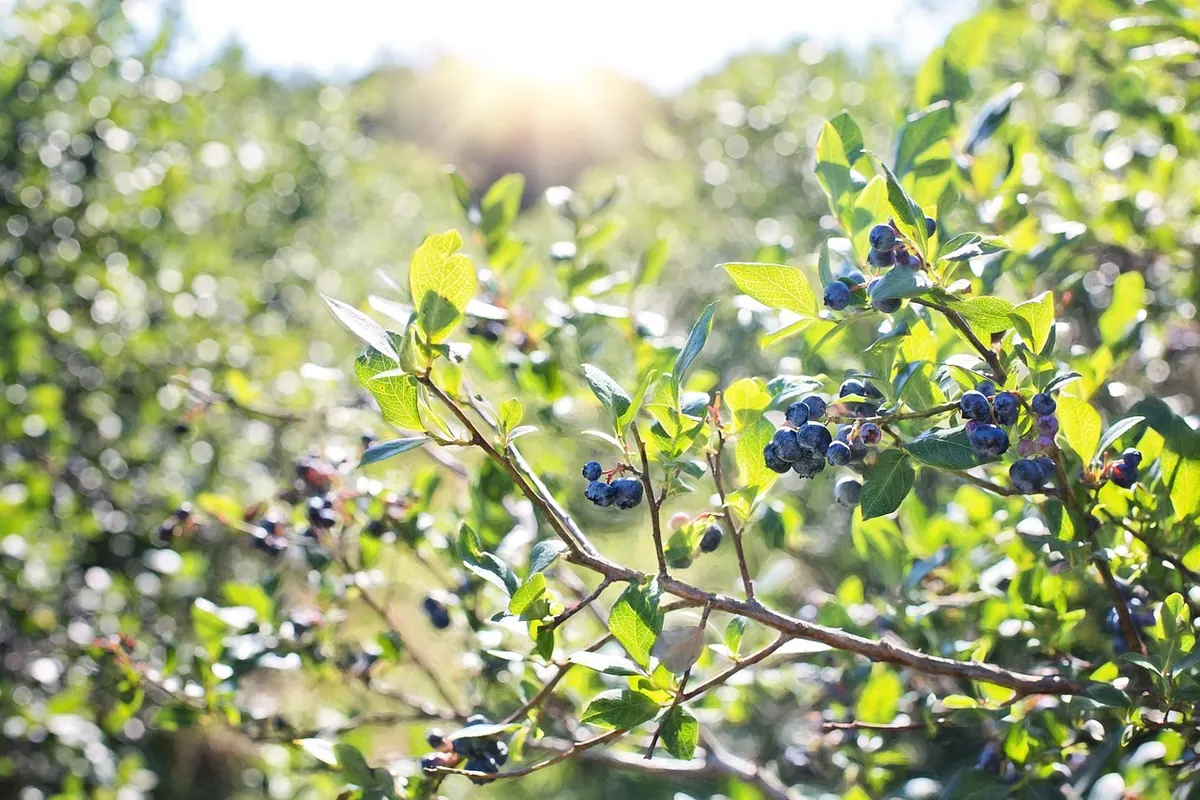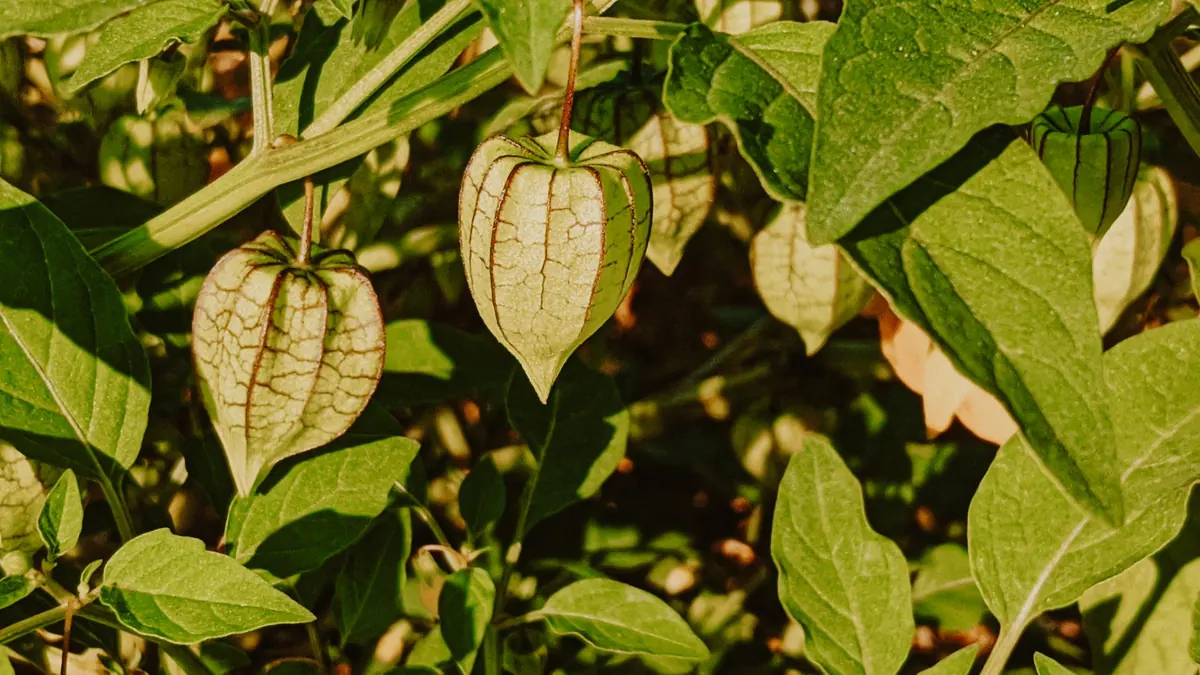
Gooseberries are forgiving in a way most fruit is not. Give them a spot that catches sun for part of the day, shade for the rest, and they will still fill a bowl by midsummer. That makes them ideal for the awkward strip along a fence, the east side of a shed, or the corner of a garden where a neighbour's hedge cuts the afternoon light. You will not get the heaviest crop of your life, but you will get real gooseberries from ground that would otherwise grow nothing but grass.
Partial shade means roughly three to six hours of direct sun, or bright, filtered light all day. Gooseberries came from woodland edges, so they are used to ripening under dappled cover rather than open sky. What matters is which hours you get.
Aim for morning sun if you can. Early light dries the dew off the leaves, and dry leaves mean less mildew, which is the main disease you will fight on a gooseberry. Afternoon shade is a bonus in hot regions, where scorching sun can cook the fruit on one side.
Below about two or three hours of direct sun, plants stay leafy and green but set very little fruit. Deep shade is not worth the space. Also watch what is growing nearby: keep bushes at least a metre from hedges, tree trunks, and big shrubs, because thirsty roots will steal your water and your nutrients.
Fruit grown in shade tends to be tarter and slower to sweeten, so lean towards sweeter, red or yellow dessert types rather than sharp green culinary ones if you want to eat them fresh.
Buy bare-root bushes in late autumn or winter if you can. They establish faster than potted plants and cost less. Potted bushes can go in any time the soil is workable, as long as it is not frozen and not in the middle of a hot, dry spell.
If your only shady spot is paved, a gooseberry will grow in a 40-litre pot of loam-based compost. Choose a compact variety and be diligent with watering.
Shade slows evaporation, but tree roots and hedge roots can dry a bed out faster than you would expect. Push a finger 10 cm into the soil before watering. If it feels dry at that depth, water thoroughly and then stop for a few days. Steady moisture matters most from flowering through fruit swelling.
Feed in late winter with a balanced general fertiliser, roughly a handful per bush, scratched into the surface. Around flowering, switch to a sulphate of potash feed for fruit quality. Go easy on nitrogen in a shady spot. Rich, soft growth is exactly what mildew and aphids love, and you will get leaves instead of berries.
Fruit forms on short spurs on older wood and on shoots made the previous year, so you are never cutting everything back and starting again. The goal in a shady spot is a bush with an open middle, where light and air can move through.
In winter, aim for an open goblet shape with eight to ten main branches rising from a short clear leg of 15 to 20 cm. Cut out anything dead, damaged, crossing, trailing on the ground, or crowding the centre. Shorten the main branches by about a quarter and cut side shoots back to two or three buds.
Then prune again in late June or early July. Shorten this season's side shoots to about five leaves. It feels brutal in a small garden, but it lets light into the ripening fruit and keeps the humid, still pocket of air that mildew needs out of the bush. Once a bush is four or five years old, take out up to a third of the oldest wood each year.
Gooseberry sawfly is the one that surprises people. Pale green caterpillars appear on the undersides of leaves from mid-spring and can strip a bush in days, with up to three generations in a season. Check the leaves weekly and pick them off by hand.
Currant aphid causes crinkled shoot tips and sooty mould; squash the colonies or spray with soap solution. Powdery mildew shows as a grey-white dusting on young shoots and fruit, worst in still, humid air, which is why thinning the centre matters so much. Birds will take ripe fruit before you do, so net the bush on a frame rather than draping the netting over the branches.
Expect gooseberries in partial shade to ripen a week or ten days later than bushes in full sun, so be patient in early summer.
Pick by hand, twisting the berry off with its stalk, and handle them gently because they bruise. A well-grown bush in full sun might give 2 to 4 kg of fruit in a good year; in partial shade, plan on roughly half that. If you want a proper crop, plant two bushes. Surplus fruit freezes well whole on trays, then bags, and needs topping and tailing before it goes into the pan.
Set your expectations honestly: fewer berries, a later harvest, and a sharper flavour that suits jam more than the fruit bowl. In return you get a bush that suffers less in heat, needs less watering, and crops in a corner you had written off. Choose a mildew-resistant variety, plant it a little deep, keep the middle of the bush open, mulch well, and net it before the fruit colours. Within two or three seasons you will be picking gooseberries from a spot that never saw a full day of sun.
Photo: Rey Rey / Pexels